Kalamata Castle
Περιγραφή
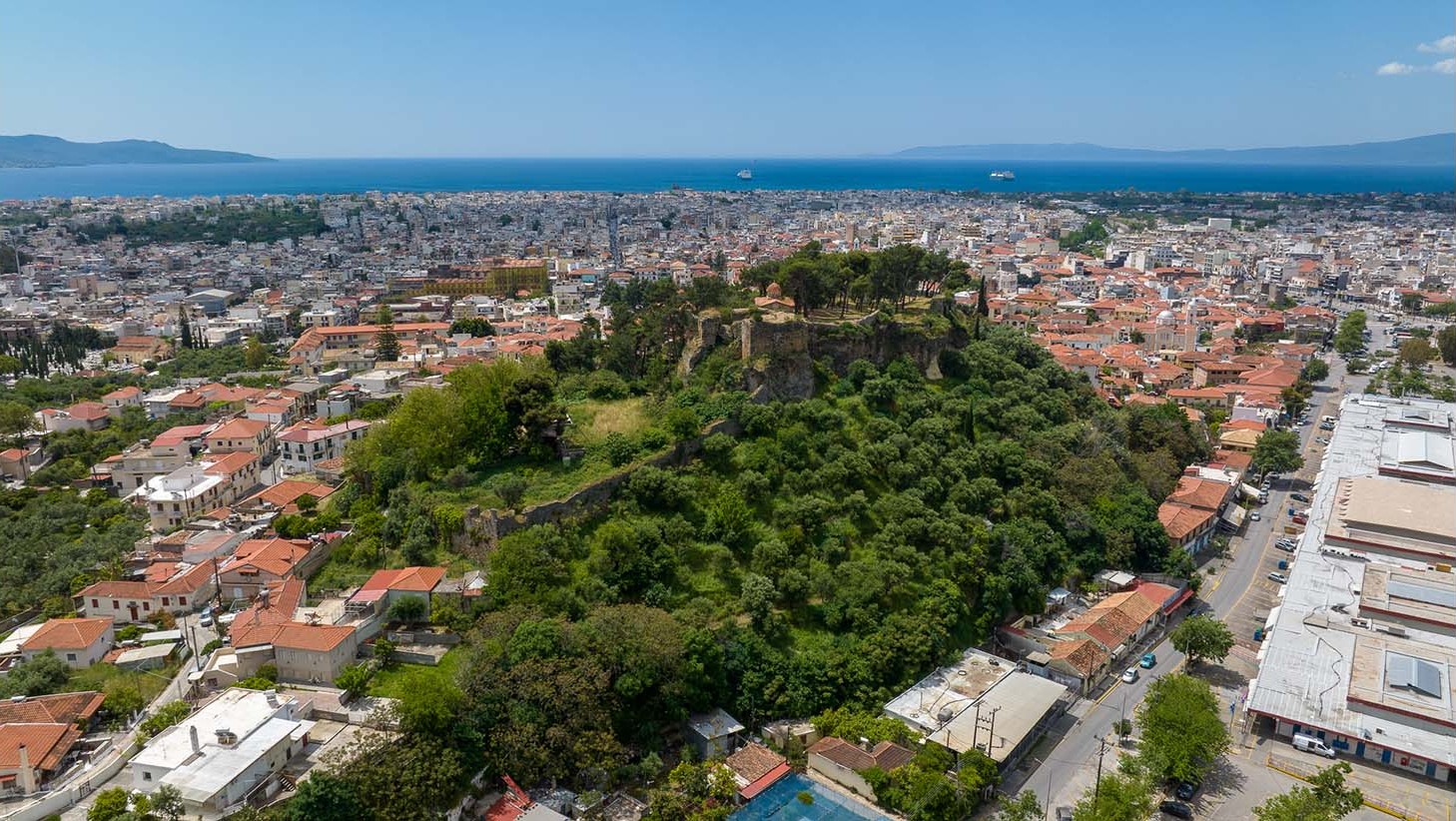
The Kalamata Castle is built on a low hill at the northwestern edge of the city, east of the Nedon River, at a location that offers a panoramic view of the fertile plain of Kalamata and the mountainous passes of Mount Taygetus.
Its foundation dates back to the Byzantine period, and it was most probably constructed on the site of the earlier acropolis of ancient Pharae. Only a few remains from that era survive, while its current form results from a reconstruction by Geoffrey I de Villehardouin in the early 13th century. The castle was a fief of the House of Villehardouin until 1322 and is associated with historical figures such as William and Isabella de Villehardouin.
It subsequently passed to the Despotate of Mystras and then to the Ottomans. During the Second Venetian Rule, it underwent repairs and had its fortifications enhanced. In 1825, it was significantly damaged by Ibrahim’s army. The castle showcases a typical Byzantine fortification layout, with a tower-refuge, an inner courtyard, and a second line of defense. Remnants of a temple have been identified at the site of the tower.
Φωτογραφίες